The article comes last
книга→книгата
a book, the book
A community guide to the Bulgarian language
How to start, what to use and which resources are worth your time, put together by people who learned it and people who grew up with it.
БЪЛГАРСКИ
Thirty letters, each pronounced the way it is written. Select a letter to hear its example word.
Keyboard. Bulgarian has two layouts, BDS and Phonetic. Phonetic places letters on their Latin counterparts (а on A, б on B), which makes it the faster one to learn.
In the 9th century, the disciples of Saints Cyril and Methodius found refuge in the First Bulgarian Empire. At the Preslav Literary School they created the script that took Cyril's name, and in 893 Bulgaria made it official.
Today Cyrillic is the official script of twelve countries. When Bulgaria joined the EU in 2007, it became the union's third official alphabet. Every year on 24 May, Bulgaria celebrates the script with a national holiday.
Each country, in its own Cyrillic.
No single method gets you there. Read, write, listen and learn how the grammar works. Follow the steps in order and keep the earlier ones going as you progress.
All resourcesMemorize the letters and read as much as you can until your reading speed feels natural. Everything after this depends on it.
A book gives your learning structure. Use it as the backbone while you work through the next steps alongside it.
Most apps only drill vocabulary. Bulgaro is the exception, with Duolingo-style lessons and clear grammar notes. Duolingo itself has no Bulgarian course.
Watch Bulgarian-only videos slightly above your level, where you understand most of it and pick up the rest from context.
Practice typing, keep a dictionary and translator at hand, read some proverbs, and look up the slang textbooks leave out.
Start as early as you like. Look up what you don't understand, write a reply, look up what you're missing, and repeat.
Start this as soon as you understand simple texts, even if that's before step 6. Pick a book that interests you and that you can read comfortably. Mark every word you don't know yet, then look each one up and learn its meanings and forms, not just one translation. Children's books are a good first choice, and Chitanka has thousands of books for free.
Keep raising your listening level alongside it with harder videos and audiobooks.
News, YouTube, films, radio. Choose what you enjoy. From here the language is a tool rather than a subject.
Enough to greet someone, say thank you and order a drink. Select a phrase to hear it.
Every name below is a word you can read once you know the alphabet.
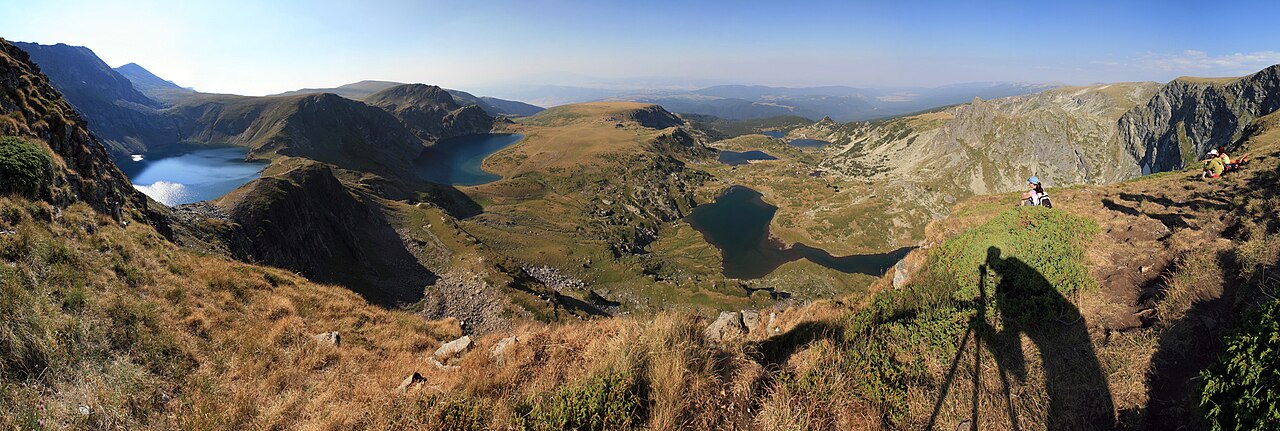
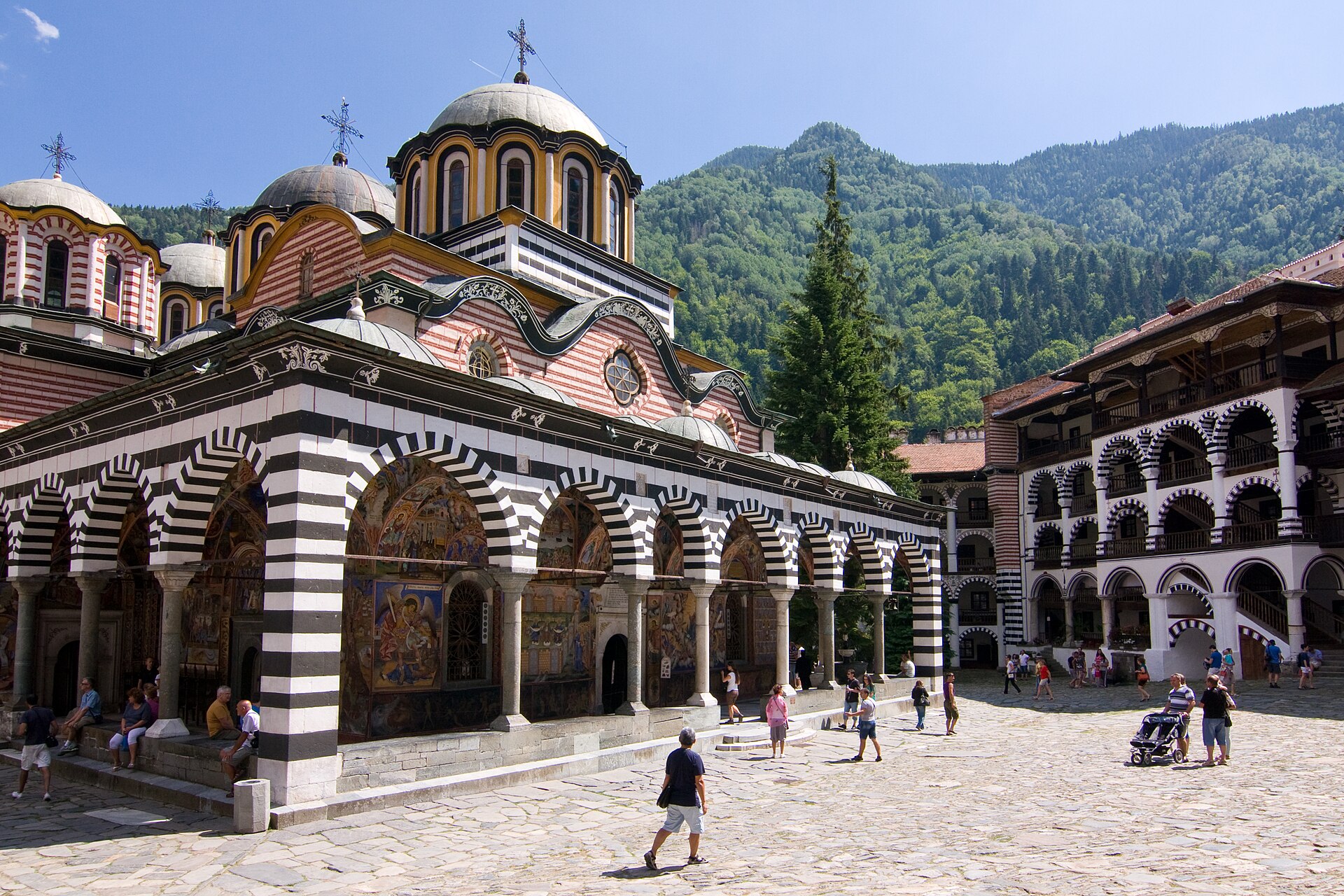
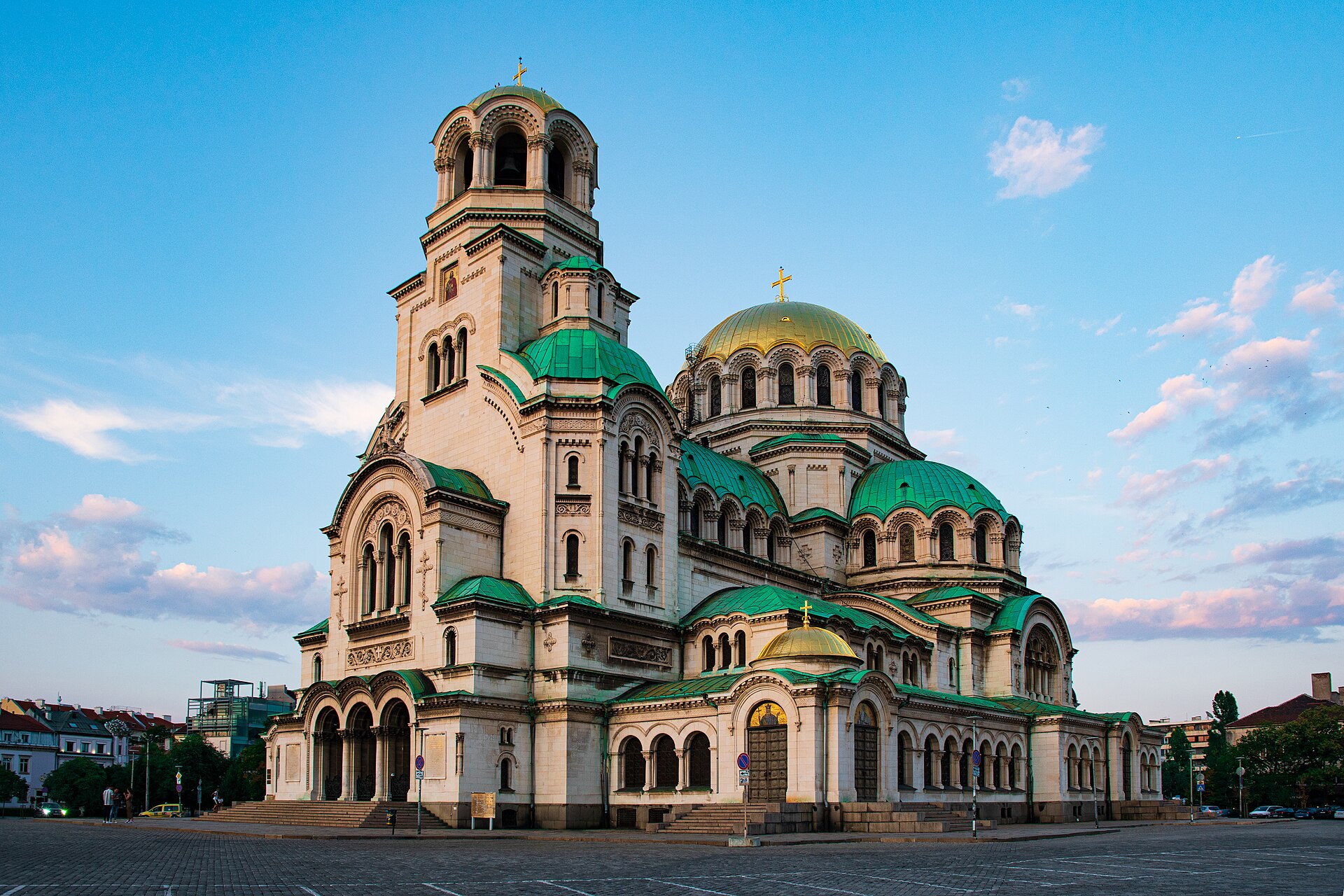
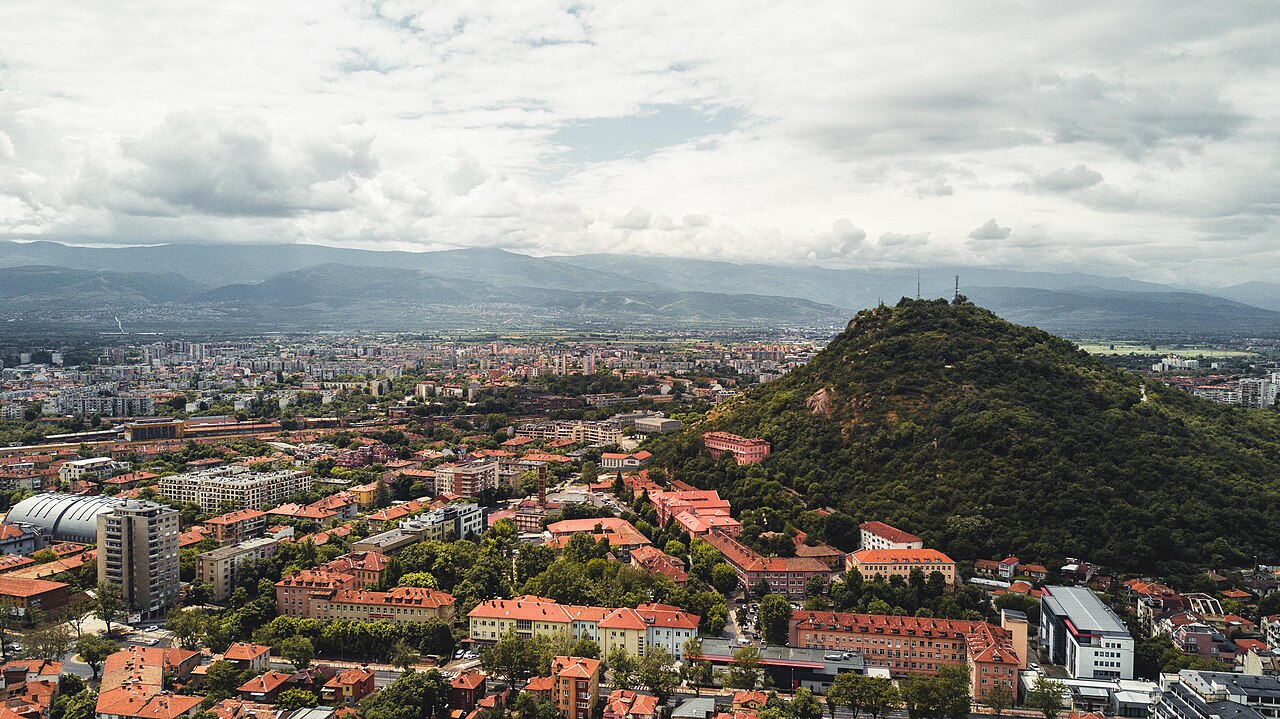
The sites, channels and books the community recommends.
No results. Try a different search or ask the community.
Bulgarian is a Slavic language, but it broke away from the family in a few memorable ways.
a book, the book
Искам да отида.
Literally "I want that I go". Verbs pair with да instead.
Many Bulgarians shake their head to mean yes and nod to mean no, the reverse of most of Europe. When in doubt, say it out loud.
Russian, Polish and Czech decline nouns through six or seven cases. Bulgarian dropped them, keeping only traces in pronouns and a vocative for calling out to people (Иване!). For learners, that removes one of the hardest parts of any Slavic language.
щастие
shtastie, happiness. In Russian the same letter sounds like "shch".
Ask questions, practise with native speakers and use bot commands like /word, /translate and /stress.